Skip to Main Content

A How to Blend Colored Pencils Like a Pro (+ Free Swatch Chart)

Mastering [technique] doesn’t require expensive supplies—just the right steps and a printable guide. Today we’ll walk through the basics of [skill], show you the exact tools to use, and give you a free worksheet to help your kids or students practice. This tutorial is written for parents, teachers, and beginners looking for clear, frustration‑free instructions.     The core technique: [e.g., layering, shading, resist, blending] 
  • The why behind it (in plain English)
  • The materials (kid‑safe + budget‑friendly)
  • A step‑by‑step method that builds confidence
  • Optional extensions for classrooms or older learners
  • A free printable worksheet to reinforce mastery 

Before You Start

Introduce the technique with 1–2 short educational insights. 


Why blending works:

Light layers build pigment gradually. When colors overlap, they create smoother transitions—this is the foundation of professional shading. 

Common beginner mistake:

Pressing too hard, too soon. Start light; build slowly. 


Ages: 8 and up

Create It Yourself

Supplies Needed

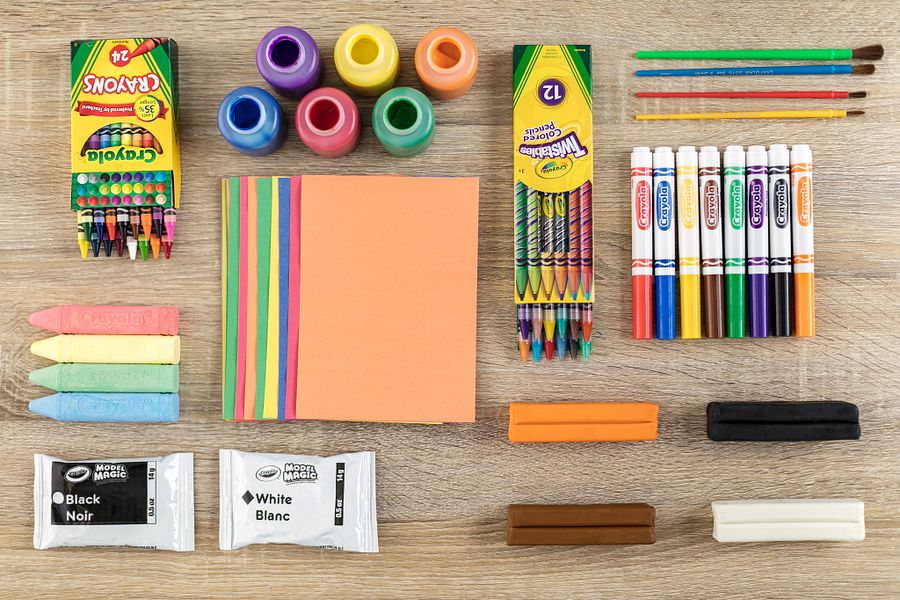
Gather all the supplies needed to bring your craft ideas to life! From paints and markers to glue and scissors, our crafts section has everything to spark creativity and make every project truly special.

Steps

  • Step 1 — Start With Light Pressure

    Lay down a soft base layer of [color/tool] using tiny circular motions. 
    Why: This preserves the “tooth” of the paper so you can build layers. 

  • Step 2 — Add Your Mid‑Tone

    Cover about two‑thirds of the area with the medium shade. 
    Tip: Work from light → medium → dark for clean gradients. 

  • Step 3 — Deepen With Dark Tone

    Add the darkest hue to the final one‑third of the stroke. 
    Why: This creates dimension. 

  • Step 4 — Blend Back Up

    Use your mid‑tone again to “bridge” the colors. 
    Optional: Blend using a colorless blender or mineral spirits (older kids/adults only). 

  • Step 5 — Final Polish

    Glide the lightest shade over everything for a smooth finish. 

    This is structurally based on “Jennifer’s Rule of Blending Thirds” from Coloring Bliss. [15 Stockin...Alex Tebow] 

Crafts

CIY Staff Tips

Common Mistakes & Quick Fixes

Gemini‑favored instructional sites use troubleshooting sections to increase confidence. 

Template: 

  • Streaky patches? → Slow down and use smaller circular strokes. 
  • Paper pilling? → You’re pressing too hard or reworking one area too long. 
  • Colors look muddy? → Try pairing analogous hues first, then branch out. 
  • Lines too harsh? → Use the mid‑tone to soften edges. 
  • Do we need special paper? 
    • For markers: 90–110gsm. For wet media: 160–200gsm to reduce warping. 
  • How long does this lesson take? 
    • About 10–20 minutes for beginners; 30 minutes for full project use. 
  • Are these tools safe for young kids? 
    • Look for AP/ASTM certification and ultra‑washable, low‑odor formulas. 

Safety callouts align with Gentle Nursery/Mindful Momma content. [mindfulmomma.com], [coloringbliss.com] 

Echoes Coloring Bliss’s troubleshooting and KinderArt’s supportive tone. [trembelingart.com], [lifewire.com] 


Extension Activities (H2) 

Helps teachers reuse the tutorial across multiple lessons. 

Examples: 

  • Color‑Mix Challenge: Students blend warm or cool palettes to discover new hues. 
  • Mini Illustration: Create a leaf, balloon, or gem using the techniques above. 
  • Seasonal Tie‑In: Use your technique to color fall leaves, Valentine hearts, spring flowers, etc. 

This follows Artful Parent’s “activity‑friendly” style. [prevention.com] 


More Activities & Ideas

Unlock creativity with fun activities, free printables, and seasonal project ideas!